

#residentialstreetlife
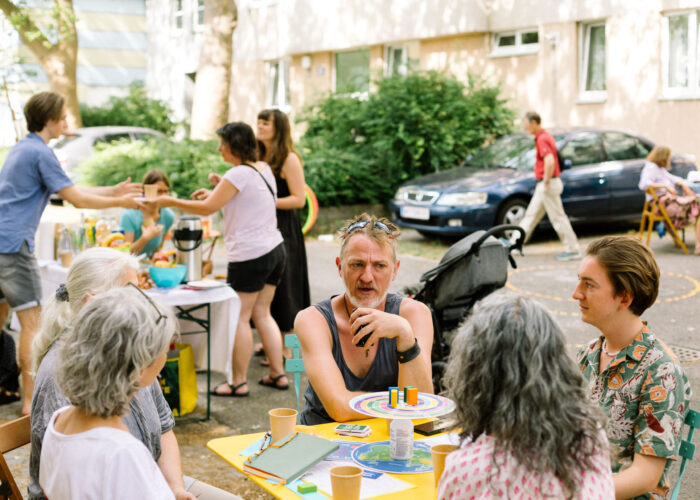 Picture by Akos Burg

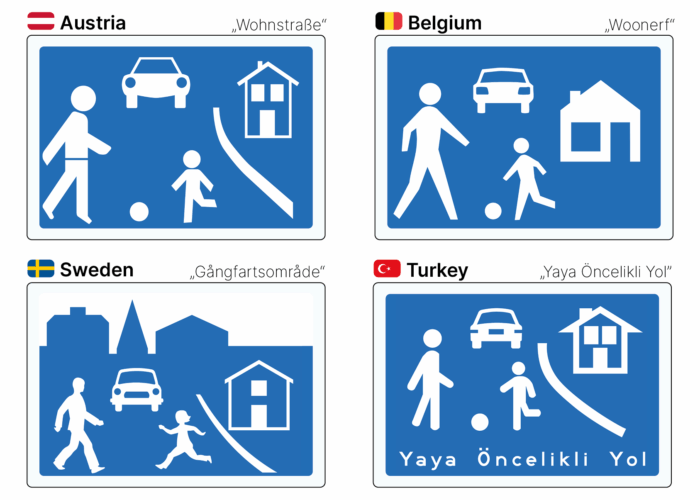
What is it?
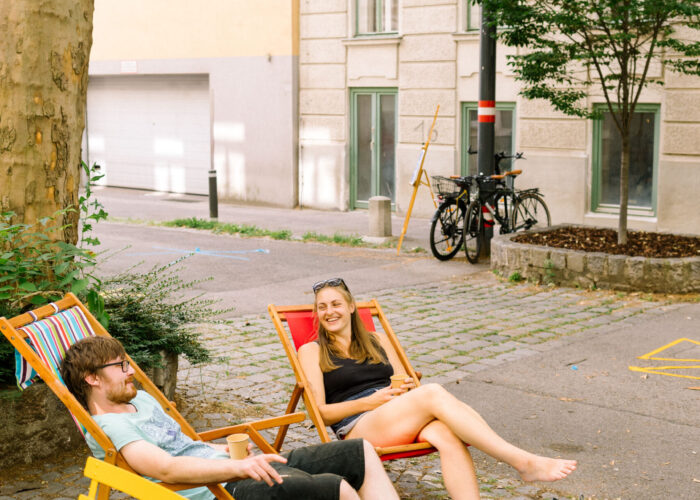
#residentialstreetlife is a tool for transforming “residential streets” (name varies by country) into temporary public living rooms, fostering social interaction, and community engagement.
Why is it useful?
The tool promotes community cohesion, ownership of public space and active citizenship by encouraging people to creatively use their ‘residential streets’ for social and cultural activities and to co-create public space. It is easy to implement.
Who should use it?
Facilitators, local organisations and residents can use the tool. It is aimed at people living in neighbourhoods close to ‘residential streets’ who want to promote social connections and make their streets more liveable and/or create more space for personal recreation.
How to use it?
To use the #residentialstreetlife tool, select a ‘residential street’ you wish to transform and create a ‘public living room’ to foster interaction among residents and passers-by. Use simple materials like folding tables, chairs, cushions, or “Art Installations” to occupy free parking spaces, ensuring a lane remains clear for cars or emergency vehicles. Offer activities such as games (chess, dominoes), artistic activities, language learning, clothes swaps, or snacks, and use creative “residential street signs” (e.g., “Come for a chat”, “Please drive slowly”) to enhance awareness. Host small cultural happenings like readings, non-amplified music performances, or picnics, but obtain permission for larger gatherings that may exceed local noise limits.
#residentialstreetlife can host many of the other StreetForum tools, as well as your own tools, to reflect on neighbourhood challenges or envision permanent street transformation. Please observe the specific regulations for residential streets in your country and refer to the examples in the ‘download’ section to plan your own #residentialstreetlife.
Example of good practices
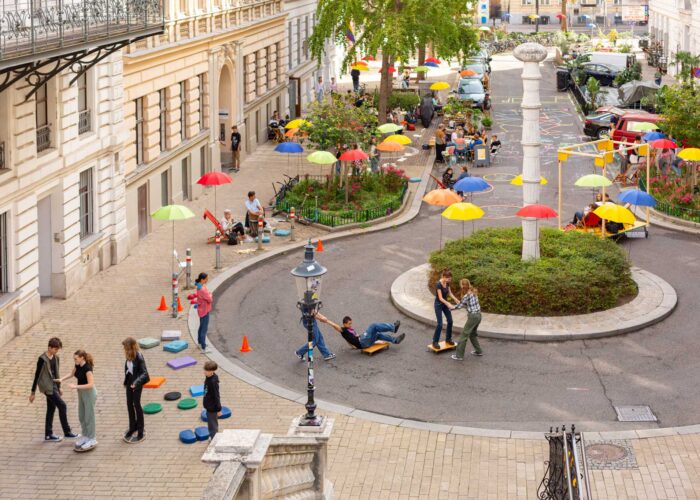
On 12 October 2023, the #residentialstreetlife tool transformed Vienna’s Living Lab ‘Rahlgasse’ into a vibrant social space. Armchairs, umbrellas, and a mobile parklet invited pupils, teachers, and passers-by to enjoy outdoor lessons, workshops, and games, and to contribute to an ideas wall. A doctor, usually critical of noise, and local restaurateurs concerned about car access, joined the lively debate. Though not fully convinced, both groups participated in discussions. Open and respectful exchanges between all stakeholders emerged. Motorists gave up spaces, and the broad participation inspired many to support the ongoing development of Residential Street Culture.
This tool was developed by spaceandplace.at and co-creators.
Resources